The problem
Directors waited nearly two weeks after month-end to know where the business stood, and stock counts rarely agreed with the books.
How it went
What nearly went wrong. Stock records from the depots did not agree when we came to load them, and bringing them in as they were would have put the old mismatches straight into the new system. We held the import and counted first, so the system started from numbers everyone trusted.
What the client pushed back on. The directors wanted to know why we were not recommending a bigger vendor name. We scored all four options the same way and showed where the money went on each route, so the decision rested on the comparison rather than on our word.
The decision we are proudest of. Starting small. Sales, inventory, purchasing and invoicing went first, with the rest switched on once the teams were comfortable, rather than asking everyone to change how they work on the same day.
What we did
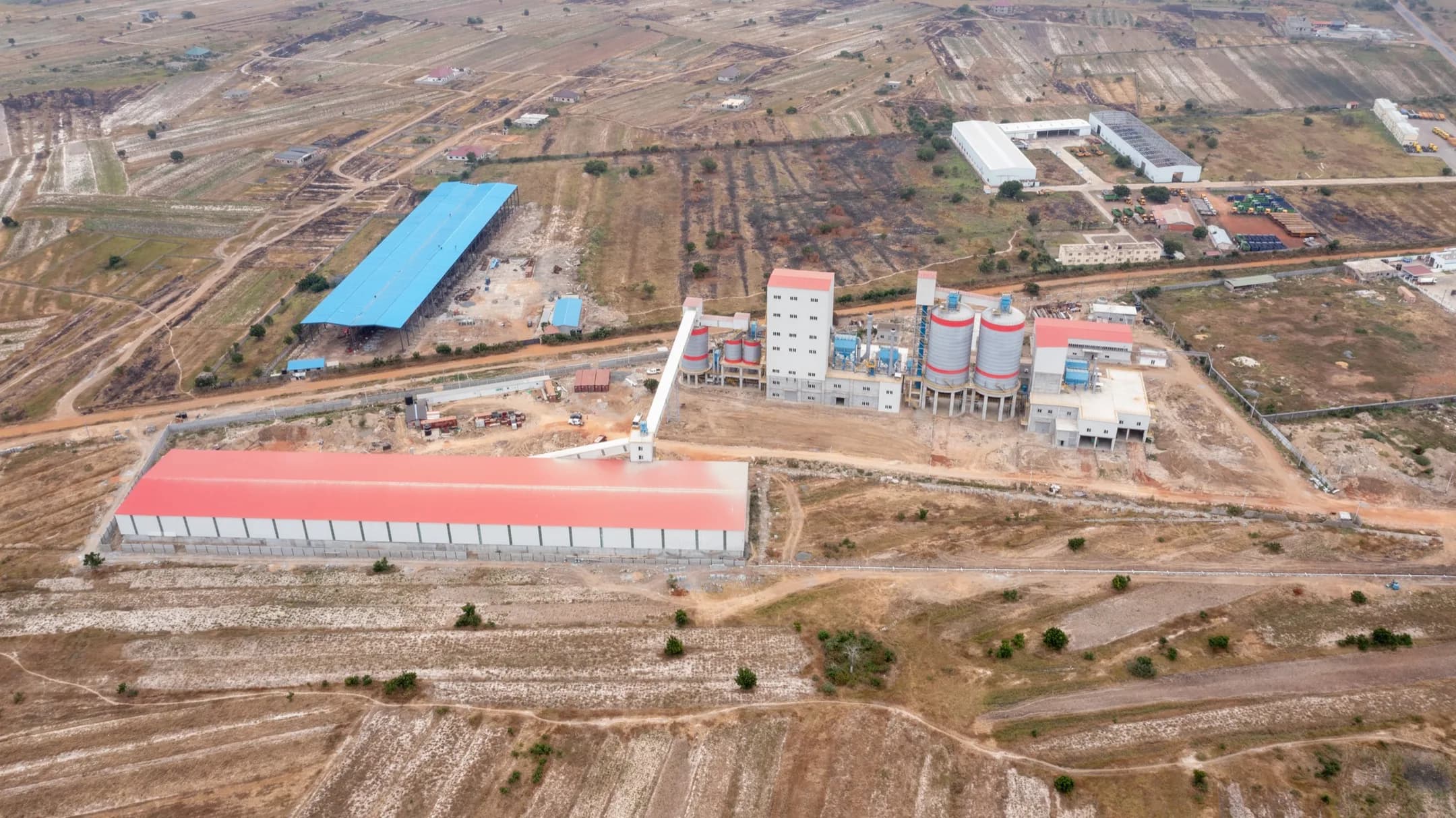
We compared the leading ERP options with the directors and recommended Odoo: modular, proven, and with no per-user licence fees payable to the vendor. Then we set it up around how Golden Cement actually works.
- One source of truth. Sales, inventory, purchasing, production and accounting in one system.
- Distributor orders in one place. Orders, credit limits and dispatch tracked from request to delivery.
- AI that does the routine work. Assistants that match payments, flag stock running low and draft reports for review.
- Teams that use it. Hands-on training by department, plus ongoing support.
The results
| Measure | Result |
|---|---|
| Tools replaced | 6 into 1 |
| Month-end close | 12 days to 4 |
| Order to dispatch | 3 days to same day |
| Stock accuracy | 99% |
| Licence costs vs proprietary options | 60% lower |
| Staff trained | 80+ |